Your patio, deck, or outdoor living area should be one of the most used spaces in your home. But if you're honest, how often does the weather force you back inside? A sudden downpour cancels dinner. Midday heat makes the space unbearable. The first sign of fall sends patio furniture into storage.
These are the exact frustrations pushing more homeowners toward retractable roof systems. Unlike fixed pergolas, fabric awnings, or static covered patios, a retractable roof gives you the ability to control your environment in real time. Open it for full sun and fresh air. Close it the moment clouds roll in. And when you pair that roof with the right opening wall system, you've created a true four-season outdoor room.
This guide breaks down everything you need to know about retractable roofs and wall systems: how they work, which spaces they're best suited for, and how to choose the right configuration for your home.
What Is a Retractable Roof System and How Does It Work?
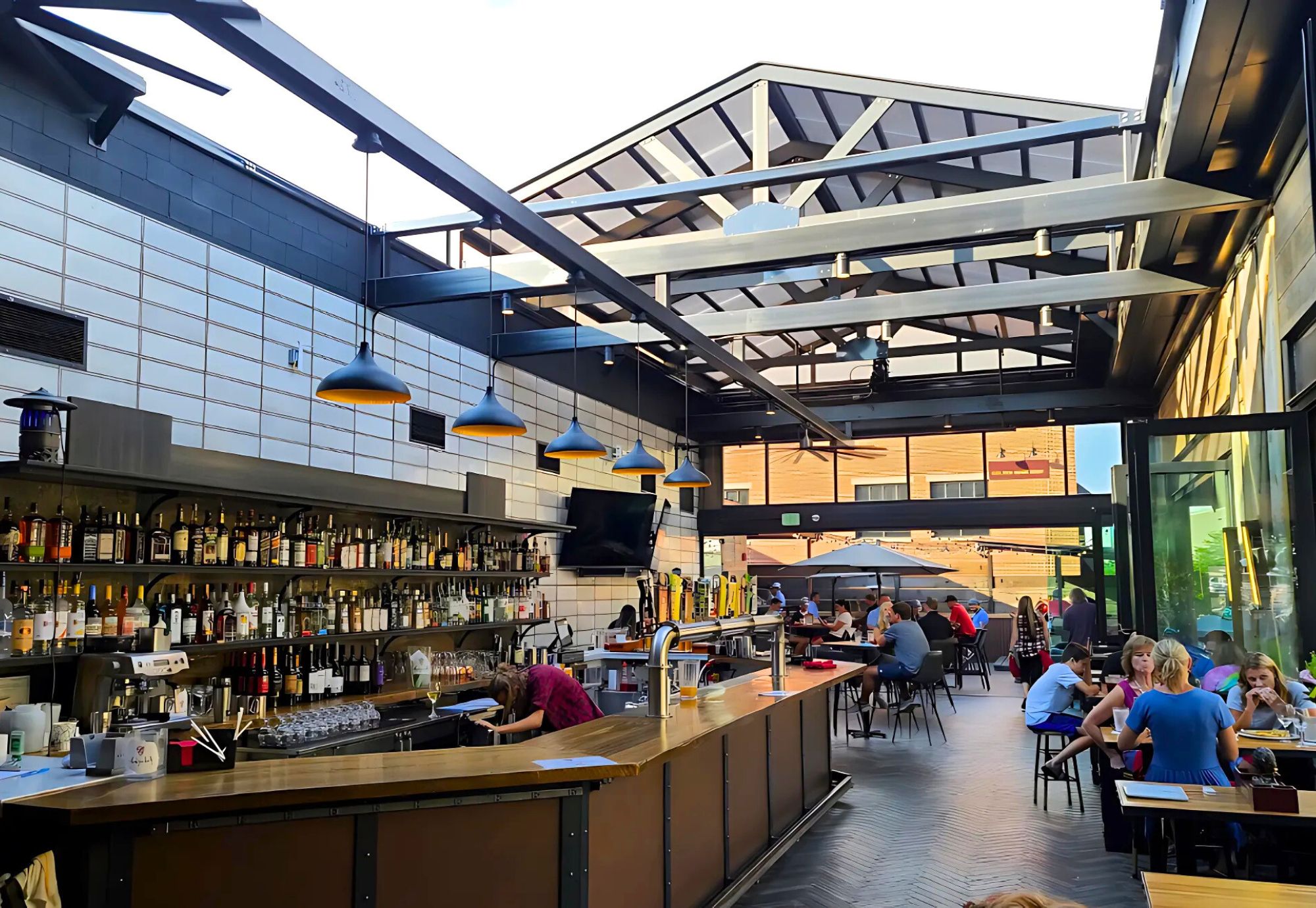
A retractable roof system is an overhead enclosure built with independently moving glass or polycarbonate panels. These panels glide along engineered aluminum tracks, allowing you to open or close sections of the roof individually. The result is complete control over sunlight, ventilation, and weather protection without giving up the open-air feeling you love.
This is a significant departure from traditional outdoor coverings. Here's why:
- Fixed pergolas provide shade but no rain or wind protection
- Fabric awnings deteriorate quickly and can't handle snow or heavy wind
- Solid roof additions block natural light and eliminate the outdoor feel entirely
- Retractable roofs give you all the benefits above with none of the compromises
Cabrio Structures designs two primary retractable roof configurations. The single-stack retractable roof features panels that nest together at one end. It's ideal for smaller patios and residential spaces where simplicity and clean sightlines matter most. The multi-stack retractable roof allows panels to stack at multiple points, which is better suited for larger spans, commercial applications, and spaces where you want to open the center of the roof while keeping the edges covered.
Why Homeowners Are Choosing Retractable Roofs Over Traditional Patio Covers
The shift toward retractable roofs isn't just about following a trend. It's driven by real, measurable benefits that homeowners experience from day one.
1. Year-Round Usability of Outdoor Spaces
The biggest frustration with traditional patios is their seasonal limitation. In most climates, you get three to four months of comfortable outdoor use. A retractable roof system changes that entirely.
Close the roof and walls during winter, and your patio becomes a heated sunroom. Open everything up on a mild spring evening, and you're dining under the stars. This flexibility means your outdoor investment delivers value 12 months a year, not just during peak summer.
Homeowners who've installed Cabrio retractable roof systems regularly report using their patios during holidays, winter gatherings, and shoulder-season weekends that would have previously been spent indoors.
2. Protection Without Sacrificing Natural Light
One of the most common concerns with enclosed patios is losing the open, airy feeling. Glass-paneled retractable roofs solve this problem completely. Even when the roof is fully closed, natural light floods the space. You're protected from rain, wind, and UV exposure, but you still feel like you're outdoors.
3. Increased Property Value
A well-designed retractable roof system adds functional square footage to your home. It's not just a cosmetic upgrade. Appraisers and buyers recognize the value of a year-round outdoor living space, especially when it's built with durable, architecturally integrated materials.
4. Energy Efficiency and Climate Control
Retractable roofs with insulated glazing options help regulate temperature in the space below. In summer, you can open the roof to release trapped heat. In winter, a closed glass roof creates a greenhouse effect that reduces heating costs. Some homeowners pair their retractable roof with radiant heating to create a comfortable outdoor space even in sub-zero temperatures.
The CabrioFlex Retractable Roof: Engineered for Residential Flexibility
Among the retractable roof systems available, the CabrioFlex stands out for its versatility and engineering precision. It's the system most frequently chosen by homeowners who want maximum control without a complex operating system.
Here's what makes the CabrioFlex different:
- Independently moving panels: Each glass panel operates on its own, so you can open one section while keeping others closed
- Patented track system: Smooth, quiet operation with minimal maintenance requirements
- Engineered for weather: Rated for heavy snow loads and high wind speeds, meeting local building codes across North America
- Custom sizing: Panels and tracks are manufactured to fit your exact space, whether it's a compact backyard patio or a sprawling rooftop terrace
The CabrioFlex is available in both single-stack and multi-stack configurations, so you can choose the layout that best fits your property and lifestyle.
Pairing Retractable Roofs with Opening Wall Systems
A retractable roof handles what's above you. But what about wind, rain, and temperature control from the sides? That's where opening wall systems come in.
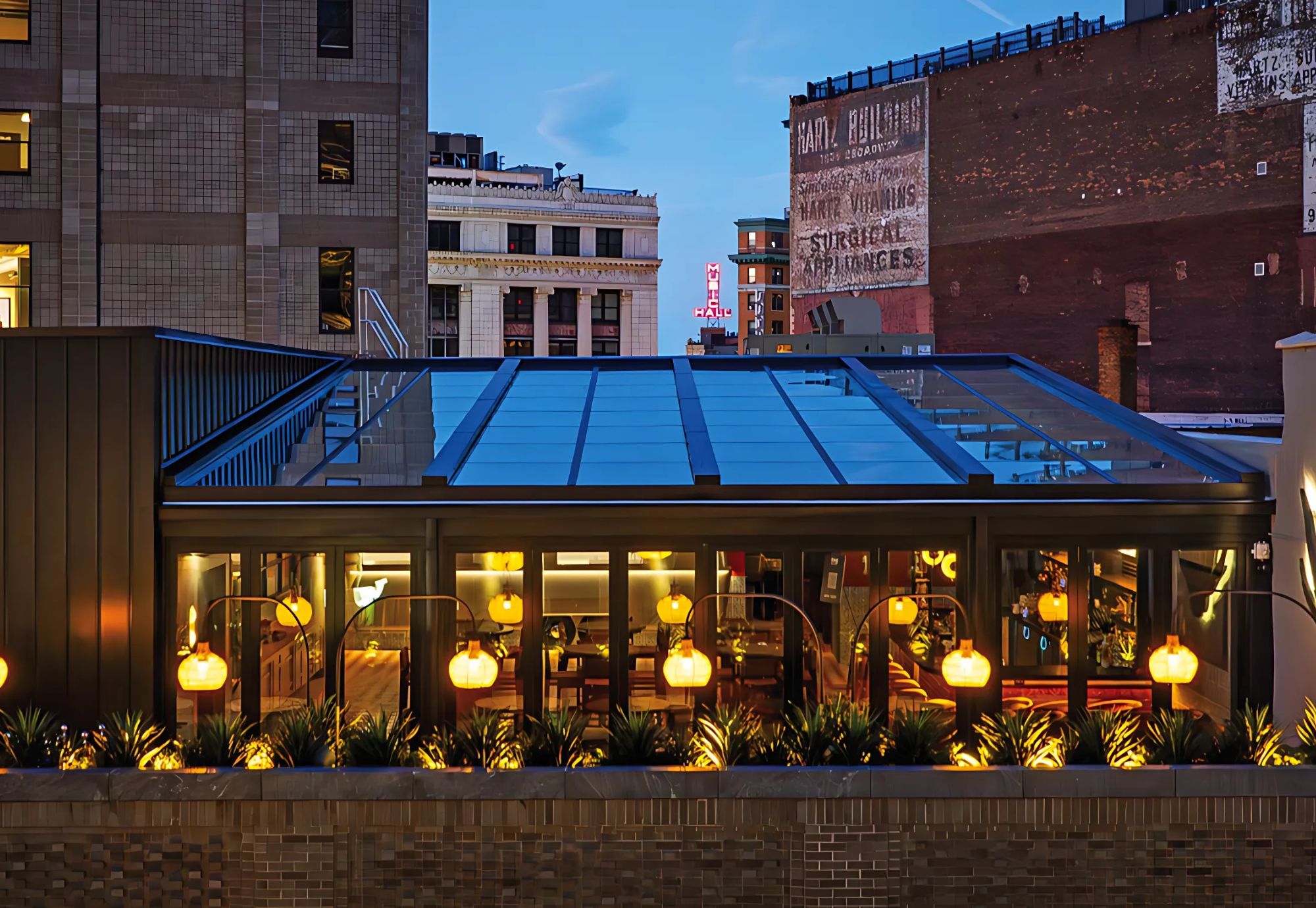
Combining a retractable roof with the right wall system transforms an open patio into a fully enclosed, climate-controlled room that can be opened up completely when conditions are ideal. Here's a breakdown of your options:
Folding Wall Systems
Folding wall systems use hinged glass panels that accordion together, stacking neatly to one side when open. They're an excellent choice when you want the widest possible opening. When fully folded, these walls virtually disappear, giving you an unobstructed transition between indoor and outdoor space.
Best for: Living rooms that open to patios, pool decks, and entertainment areas where you want maximum airflow.
Sliding Wall Systems
Sliding wall systems feature glass panels that glide along tracks, similar to how the retractable roof panels operate. They're quieter and require less clearance than folding walls, making them ideal for tighter spaces.
Best for: Narrow patios, balconies, and spaces where folding panels would obstruct walkways or furniture layouts.
Clear Frameless Wall Systems
For homeowners who want an uninterrupted view, clear frameless wall systems are the premium option. Without visible frames or mullions, these glass walls create the illusion that nothing stands between you and the outdoors.
Best for: Properties with scenic views, waterfront homes, and spaces where aesthetics are the top priority.
Vertical Walls
Vertical walls provide targeted wind and weather protection without fully enclosing the space. They're typically used on one or two sides of a patio to block prevailing winds while keeping other sides open.
Best for: Exposed patios, elevated decks, and coastal or hilltop properties where wind is a constant challenge.
Retractable Roof Applications: Finding the Right Fit for Your Space
Retractable roofs aren't one-size-fits-all. The best system for your home depends on where you plan to install it and how you intend to use the space. Here are the most common residential and commercial applications:
Outdoor Patio and Dining Areas
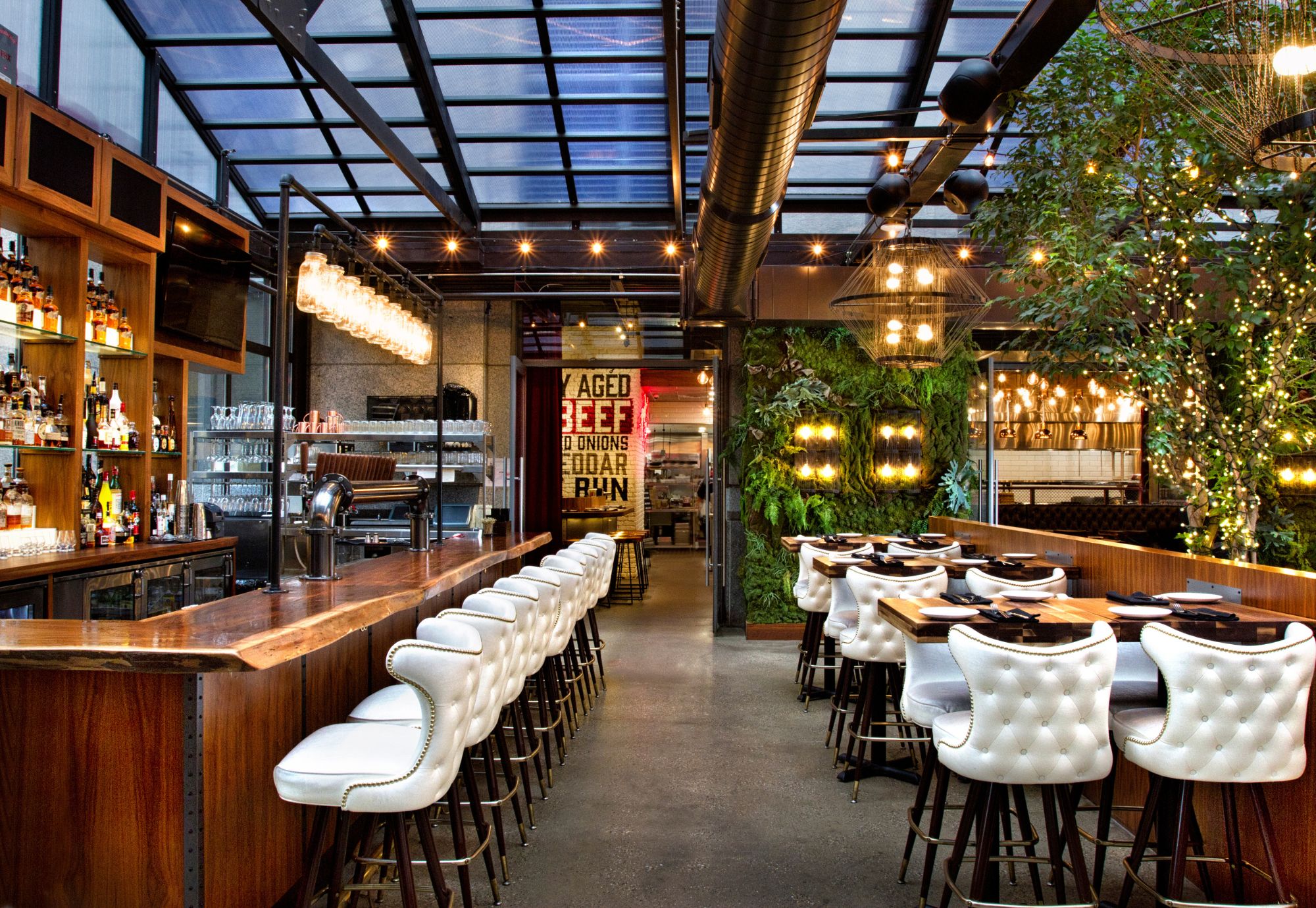
This is the most popular application for homeowners. A retractable roof for your patio lets you host gatherings, enjoy meals, and relax outdoors regardless of the forecast. Pair it with a folding or sliding wall system, and you've built a true outdoor kitchen and dining room.
Rooftop Terraces
Rooftop retractable roofs are engineered to handle the unique structural and wind load requirements of elevated installations. They're popular with urban homeowners who want to maximize limited outdoor space and with commercial property owners looking to add a premium amenity.
Swimming Pools
A retractable roof over a swimming pool extends your swim season by months. Open it for outdoor swimming in summer, close it to create a heated indoor pool environment in winter. Pool covers also reduce evaporation, lower chemical use, and keep debris out of the water.
Event Spaces
For homeowners who entertain frequently, or for commercial venues, retractable roofs for event spaces provide the flexibility to host outdoor-feel events with a weather backup plan built right in. No more scrambling to set up tents or move events indoors.
Skylights
Retractable roof skylights bring natural light and fresh air into interior spaces that would otherwise require mechanical ventilation and artificial lighting. They're ideal for atriums, covered courtyards, and rooms positioned beneath a flat roof.
Built to Last: Materials and Engineering That Handle Any Climate
One of the first questions homeowners ask is whether a retractable roof can handle their climate. Snow, ice, coastal salt air, intense UV exposure, and high winds are all legitimate concerns. The answer depends entirely on the quality of the system you choose.
Cabrio Structures builds every retractable roof system with:
- Structural aluminum frames: Naturally corrosion-resistant, lightweight, and strong enough to support heavy snow loads without warping or rusting
- Tempered or laminated safety glass: Impact-resistant glazing that provides UV protection, thermal insulation, and long-term clarity
- Precision-machined tracks and rollers: Smooth, reliable operation through thousands of cycles with minimal wear
- Powder-coated finishes: Available in multiple colors to complement your home's architecture, with fade and chip resistance built in
Every system is engineered to meet local building codes, including snow load, wind load, and seismic requirements where applicable. This isn't a bolt-on accessory. It's a permanent, code-compliant structure.
Design Flexibility: Matching Your Home's Architecture
A retractable roof should look like it was always part of your home, not like an afterthought bolted onto the back. This is where custom design and manufacturing make a critical difference.
Cabrio Structures works directly with homeowners and architects during the design phase to ensure every installation complements the existing structure. Customization options include:
- Frame color and finish selection to match your home's exterior
- Multiple glazing options including clear, tinted, low-E, and insulated glass
- Integration with existing roof lines, fascia, and structural elements
- Combination layouts with retractable roofs and multiple wall system types
- Lighting, heating, and ventilation integration within the structure
Whether your home is a modern minimalist build, a traditional colonial, or a waterfront cottage, the structure adapts to your style rather than forcing you to adapt to it.
Single-Stack vs. Multi-Stack Retractable Roofs: Which One Is Right for You?
Choosing between a single-stack and multi-stack retractable roof is one of the most important decisions in the design process. Here's a clear comparison:
| Feature | Single-Stack | Multi-Stack |
|---|---|---|
| Panel stacking | All panels nest at one end | Panels stack at multiple points |
| Best for | Smaller patios, residential spaces | Larger spans, commercial spaces |
| Opening flexibility | Full open or partial from one side | Open center, edges, or any section independently |
| Structural requirements | Standard residential foundation | May require additional structural support for wider spans |
| Visual profile | Clean, minimal stack at one end | Distributed stacking for balanced aesthetic |
Most residential homeowners start with a single-stack system. But if you're working with a large patio, a pool enclosure, or a rooftop application, the multi-stack configuration gives you significantly more flexibility in how you control the environment.
What to Consider Before Installing a Retractable Roof System
Installing a retractable roof is a significant investment, and getting the details right from the start saves time, money, and frustration. Here are the key factors to evaluate:
Structural Assessment
Your existing patio or deck structure needs to support the weight of the retractable roof system, including glass panels, aluminum framing, and potential snow loads. A professional structural assessment is the first step in any project.
Local Building Codes and HOA Requirements
Retractable roof systems require permits in most jurisdictions. You'll need to comply with local building codes for wind load, snow load, and setback requirements. If you live in an HOA community, check architectural guidelines before committing to a design.
Climate and Orientation
The direction your patio faces affects how much sun, wind, and rain exposure it gets. South-facing patios in warm climates benefit from UV-reducing glass and enhanced ventilation options. North-facing patios in cold climates may need insulated glazing and integrated heating.
Integration with Existing Structures
A retractable roof can be attached to your home's existing structure or built as a freestanding unit. Attached systems typically cost less and provide a more integrated look. Freestanding systems offer more placement flexibility.
Wall System Pairing
Think about wall systems early in the design process. Adding walls after the roof is installed is possible but more expensive and less visually cohesive than designing both systems together. Consider whether folding walls, sliding walls, or frameless walls best suit your needs.
Real Results: How Retractable Roofs Transform Outdoor Living
The proof is in the outcomes. Cabrio Structures has installed retractable roof systems across North America, from Boston to Seattle, for both residential and commercial clients. Here's what homeowners and business owners consistently report:
Extended Season
Homeowners go from 3-4 months of patio use to 8-12 months per year, even in climates with harsh winters.
Added Living Space
A retractable roof effectively adds a new room to your home without the cost or complexity of a traditional addition.
Furniture Protection
Outdoor furniture, rugs, and finishes last significantly longer when protected from UV, rain, and temperature extremes.
Property Value
Year-round outdoor living space is a premium feature that increases home appraisal values and buyer appeal.
One restaurant owner with a Cabrio retractable roof reported seating over 1,000 additional guests during December alone, generating more than $50,000 in additional revenue from a 35-seat patio. While residential applications don't produce direct revenue, the lifestyle and property value improvements follow the same principle: your outdoor space becomes a reliable asset rather than a seasonal gamble.
Frequently Asked Questions About Retractable Roofs and Wall Systems
How does a CabrioFlex retractable roof work?
A CabrioFlex retractable roof uses independently moving glass panels that glide along precision-engineered tracks. Each panel can be operated individually, allowing homeowners to open specific sections of the roof while keeping others closed. The system is available in single-stack and multi-stack configurations, giving you precise control over ventilation, sunlight, and weather protection.
What is the best retractable roof system for a rooftop patio?
The best retractable roof for a rooftop patio depends on the size of the space and your structural requirements. Multi-stack retractable roofs are ideal for larger rooftop areas because they distribute weight efficiently and allow for wider spans. Single-stack systems work well for smaller rooftop patios. Both options can be paired with opening wall systems like folding walls or sliding walls to create a fully enclosed rooftop environment.
Can retractable roofs be combined with wall systems?
Yes. Retractable roofs are frequently paired with opening wall systems to create a complete enclosure. Options include folding wall systems that accordion open, sliding wall systems that glide along tracks, frameless glass walls for unobstructed views, and vertical walls for wind and weather protection. Combining a retractable roof with one or more wall systems gives homeowners full control over their outdoor environment.
Are retractable roof systems durable enough for harsh weather and heavy snow loads?
Yes. Cabrio Structures designs retractable roof systems engineered to meet local building codes, including snow and wind load requirements. The aluminum and glass construction is corrosion-resistant, structurally strong, and built to handle extreme weather conditions. Systems have been rated for 90-mph winds and heavy snow loads, making them suitable for climates across North America.
Ready to Transform Your Outdoor Space?
Whether you're exploring retractable roofs for a backyard patio, a rooftop terrace, a pool enclosure, or a commercial venue, Cabrio Structures designs and manufactures every system to your exact specifications. Our team works directly with homeowners, architects, and builders to create outdoor environments that perform year-round.
Take the next step:
- Request a free estimate tailored to your project
- Schedule a consultation with our design team
- Explore our full range of CabrioFlex retractable roofs and opening wall systems