
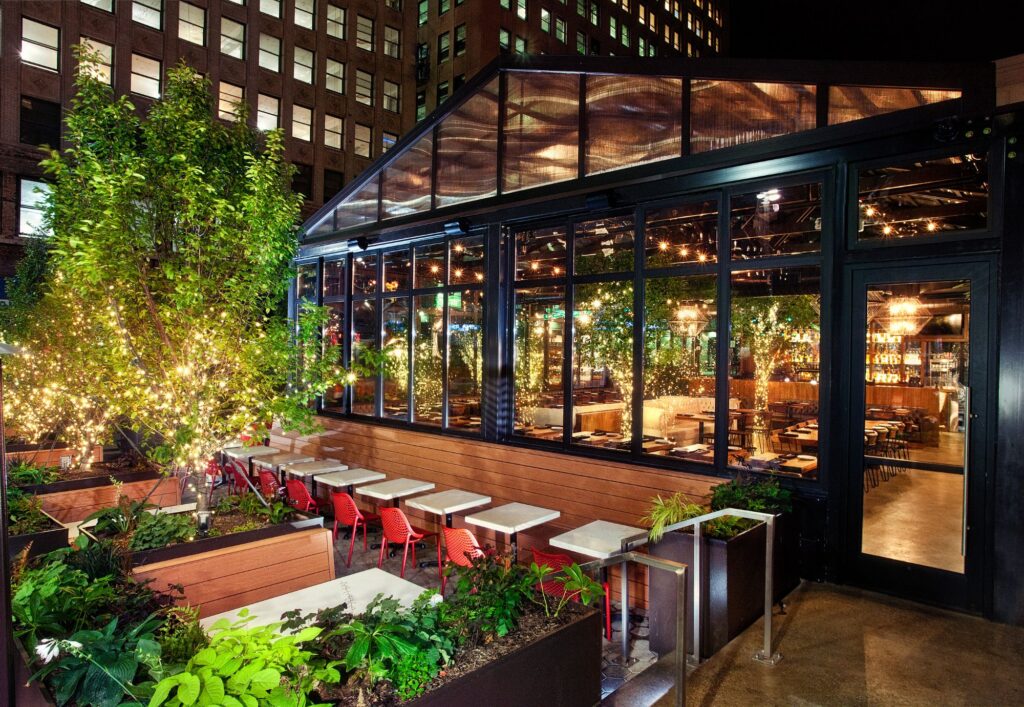
Retail and hospitality spaces are evolving to meet higher expectations for comfort, aesthetics, and sustainability. Customers today are drawn to environments that feel open, inviting, and thoughtfully designed. One architectural feature gaining significant momentum in both industries is the glass roof. By blending natural light with modern engineering, glass roofs are redefining how commercial spaces look, feel, and perform, making them a forward-thinking choice for the future of design.
Creating Bright and Inviting Spaces
Glass roofs flood interiors with natural daylight, instantly making spaces feel larger and more welcoming. In retail and hospitality environments, brightness plays a key role in shaping first impressions and encouraging guests to linger. Natural light enhances colors, textures, and architectural details, creating a visually appealing atmosphere that artificial lighting alone cannot replicate.
Enhancing Customer Experience
The overall experience of a space greatly influences customer satisfaction and return visits. Glass roofs contribute to a sense of openness and connection to the outdoors, which can have a calming and uplifting effect. In hotels, restaurants, and shopping centers, this connection improves comfort and creates memorable environments that guests associate with relaxation and enjoyment.
Supporting Sustainable Design Goals
Sustainability has become a priority in modern commercial design, and glass roofs align well with eco-conscious objectives. By maximizing daylight, businesses can reduce reliance on artificial lighting and lower energy consumption. Advanced glazing technologies also improve insulation and solar control, helping maintain comfortable indoor temperatures while minimizing environmental impact.
Improving Energy Efficiency
Modern glass roofs are engineered for performance as well as beauty. High-performance glass can regulate heat gain and loss, reducing the need for excessive heating or cooling. This energy efficiency not only lowers operating costs but also supports green building certifications that are increasingly important in retail and hospitality developments.
Increasing Visual Connection to Surroundings
Glass roofs allow guests to experience the changing sky, weather, and natural surroundings without leaving the building. This visual connection enhances the sense of place and adds a dynamic element to the interior environment. In hospitality settings, such as resorts or urban hotels, this feature can become a defining design highlight.
Boosting Brand Image and Identity
Distinctive architecture plays a major role in brand recognition. Glass roofs signal modernity, innovation, and attention to detail, helping businesses stand out in competitive markets. Retailers and hospitality brands that invest in striking design features often create stronger emotional connections with customers, reinforcing their identity and values.
Increasing Flexibility in Interior Design
With abundant natural light from above, designers gain greater freedom in arranging interiors. Glass roofs reduce the need for extensive lighting fixtures and allow for more flexible layouts. This adaptability is especially valuable in retail spaces where displays change frequently or in hospitality venues that host multiple types of events.
Enhancing Property Value and Appeal
Architectural features that improve aesthetics and efficiency can significantly increase a property’s value. Glass roofs add a premium feel that appeals to investors, tenants, and guests alike. For developers and property owners, this long-term value makes glass roofing a smart investment in future-ready design.
Adapting to Technological Advancements
The evolution of smart glass technology is further driving the adoption of glass roofs. Features such as adjustable tinting and UV protection allow spaces to adapt to changing light conditions throughout the day. These advancements enhance comfort and functionality while maintaining the sleek appearance that glass roofs are known for.
Glass roofs are more than a design trend; they represent a shift toward brighter, more sustainable, and experience-focused retail and hospitality spaces. By enhancing natural light, improving energy efficiency, and creating memorable environments, glass roofs meet the demands of modern consumers and businesses alike. As technology continues to advance, their role in shaping the future of commercial design will only grow stronger.