
8 min read
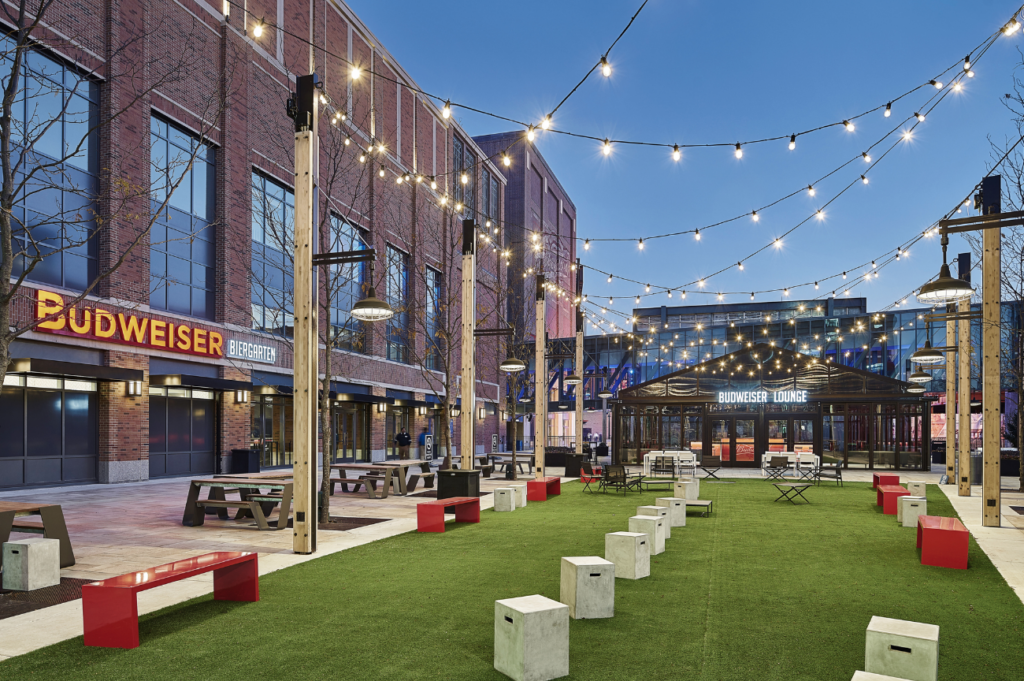
That “idle patio” you pictured in the title? We see this every week. On a drizzly Saturday, it’s 40–60 covers (paid seats) sitting empty. With a $35 average check and a 30% contribution margin (profit after food and labor), one washed‑out lunch can vaporize $400–$700 in profit. Stretch that across three rainy weekends and a few windy evenings. You’re staring at thousands left on the table.
Now think events and marketing. A rooftop mixer cancels in gusts: you refund a $500 deposit, lose a $4,000 minimum, and still pay prep labor. Meanwhile, last week’s ads keep promoting a space guests assume is “weather‑permitting.” If that happens 6–10 dates a season, you’re comping thousands and burning staff hours. That patchwork experience suppresses spend next time.
Retractable roofs and opening walls flip those red days to green—on the calendar and in your books. Next, we’ll define what they are and show the math: added revenue, higher margins, and typical payback you can validate in minutes.
So how do we flip those red days to green? Retractable structures are operable roofs and optional opening walls that you open on blue-sky days and seal when weather turns. That one motion adds revenue days, stabilizes bookings, and protects furniture. You also control comfort and energy: passive gains (sunlight and ventilation) when open, active conditioning (heating/cooling) held efficiently when closed.
On a restaurant patio, that can salvage 15–30 extra service days per season and keep events on the calendar. On a home courtyard, it effectively “adds a room” without a full addition. Materials and seals are engineered for real wind and snow loads, so it works on the days umbrellas fail.
See our retractable roof systems—they preserve open‑air ambiance yet deliver full weather protection when closed, unlike fixed enclosures that permanently box in the space.
Here are the spaces where this investment usually pays back fastest.
Bad weather hits, and you close the patio: lost covers, refunded deposits, and comped appetizers to soften the blow. Next, the scramble—rent a tent for $1,500 for the weekend, pay crew overtime to set it, hope wind cooperates. Heaters roar to keep guests warm, burning $4–$6 in fuel per unit per hour. Meanwhile, cushions soak, wood swells, and finishes degrade faster—meaning earlier replacements and more frequent deep cleans. Each line item is small alone. Together, it’s real money.
Then there’s operational whiplash: calling staff off, calling them back, and re-prepping mise en place (food prep) that never sells. Permits for seasonal tents churn time and fees; storage and hauling add cost. Brand takes a hit when the patio looks like a patchwork fix, depressing spend per guest. One gusty evening can topple umbrellas and damage heaters, turning a $0 day into a $2,000 repair. Multiply that over three years and the gap widens.
Here’s the short list of leaks most teams miss when budgeting.
If that $8,400 hits home, compare your options by upfront and ongoing costs, revenue reliability, flexibility, and the 3‑year outcome. Scan this quick table—it’s the financial reality behind umbrellas, tents, fixed rooms, and retractables.
| Option | Upfront Cost | Ongoing Costs | Revenue Impact | Flexibility | 3-Year Outlook |
|---|---|---|---|---|---|
| Do nothing (open air only) | Low or zero upfront | Weather cancellations and many lost days | Highly variable, weather‑dependent revenue | No weather control; all or nothing | Unpredictable; highest opportunity cost |
| Fixed enclosure (permanent room) | High capital build and permits | HVAC, cleaning, inspections, higher energy | Year‑round seats, but static ambiance | Zero flexibility; indoors all the time | Stable revenue; risk of over‑conditioning costs |
| Seasonal tent or canopy | Medium; purchase or recurring rentals | Rentals, storage, labor, permits, setup/strike | Recovers some days; mixed comfort and branding | Limited control; short‑term and wind‑sensitive | Costs repeat; brand feel suffers |
| Retractable structure (roof + walls optional) | Medium–High; sized to space and loads | Routine cleaning; scheduled maintenance | Maximizes sellable days with steady comfort | High control; open‑air or sealed in minutes | Strong ROI from uptime and efficiency |
Flexibility is the revenue engine: the more days and hours you can sell comfortably, the faster payback arrives. Next, five concrete savings levers we design into projects—so you can see exactly where the money comes from.
These levers combine more sellable days with lower operating costs; we’ll keep it practical so you can plug in your numbers and see how they compound.
Way 1: More sellable days and seats: On‑demand coverage cuts cancellations and extends shoulder seasons; salvage 20 rain/wind days × 40 seats × $35 check = $28,000 gross and $8,400 margin at 30%.
Way 2: Lower energy spend through smart ventilation and solar gain control: Open for passive cooling, close to retain heat, and zone conditioning; many sites cut shoulder‑season energy 10–25% versus heating open air.
Way 3: Replace recurring rentals with a single capital asset: Skip $1,500/weekend tents, storage, and overtime; one investment with predictable upkeep pays for itself while eliminating the annual scramble.
Way 4: Reduce weather-related damage and cleaning: Cushions, wood, and finishes stay dry; fewer storm resets and deep cleans free staff hours and delay replacements by seasons.
Way 5: Increase property value and booking rates: Premium ambiance and year‑round programming boost ADR (average daily rate) or event minimums; homeowners see stronger resale appeal.
Pair the roof with modular side glazing—our opening walls—so wind and shoulder‑season chill don’t cancel plans; vertical flexibility compounds savings by stabilizing comfort and protecting finishes.
Saturday rain hits at 12:30. Without coverage: 40 patio seats close; two turns vanish; $35 average check means ~$2,800 gross gone at lunch alone. You cut three servers mid‑shift, slow ticket times inside, and comp a few tables. With a retractable cover: close in minutes, keep 1.7 turns outside, smoother pacing, and stable schedules—no scramble.
Run the margin: at 30%, that rained‑out lunch is ~$840 profit lost if you planned two turns. Multiply by three wet weekends and you’re down $2,500+ before comps. Under cover, reservations hold, walk‑ups stick, bar spends climb, and the kitchen avoids wasteful re‑prep. Predictable turns mean predictable labor and happier staff.
See layouts and programming ideas in our retractable roofs for restaurants guide—sunny brunch when open, cozy late‑night when closed, fewer 86’d reservations.
Blue‑sky sunset: roof retracted, skyline front‑and‑center, light breeze. A pop‑up storm forms; staff taps the control and the roof closes in minutes. Guests keep their corner couches. Your premium minimums hold—$300 per cabana, $50 per barstool—and you don’t comp rounds or relocate VIPs.
Continuity makes pricing stick. The DJ stays powered, cocktails don’t dilute, and you roll straight into golden‑hour and late‑night programming. Save just 12 weather‑threatened nights at $5,000 minimums, and you’ve protected $60,000 in revenue—without sacrificing the open‑air vibe on clear evenings.
Explore engineering and wind safety in our retractable roofs for rooftops overview—designed for wind loads, drainage, and safety interlocks.
Ceremony at 4 p.m., radar shows showers at 3:45. With retractable coverage, you don’t change venues—you close, keep the aisle dry, and maintain acoustics for vows and AV (audio/visual) clarity. Planners love the certainty, couples stop demanding rain‑date discounts, and you hold premium site fees.
Reception flows without a Plan B shuffle. Dance floor stays dry, linens crisp, and the band’s mix remains balanced. Catering keeps the timeline, no re‑plating, no soggy appetizers. Across a season, preventing five rain‑scrambled Saturdays protects tens of thousands in food‑and‑beverage minimums plus bar upsells.
See how a guaranteed rain plan protects revenue in our retractable roofs for event space guide—think of it as weather insurance that pays you back.
So if a guaranteed rain plan pays venues back, what does it do at home? Picture your courtyard or sunroom sliding fully open in spring for fresh air and birdsong, then sealing quietly when a fast-moving storm appears. You keep the breeze when it’s lovely. You keep the comfort when it isn’t. With simple zone control (heat or cool just this room), you sip coffee at 68°F without conditioning the whole house, while cushions and hardwood stay dry.
Fall Sundays? Open for the crisp 55–65°F breeze, close at halftime when drizzle starts, and keep the game night going without jackets. Glazing options like low‑emissivity glass (coatings that cut heat and UV (ultraviolet)) manage glare and protect fabrics, artwork, and floors. Maintenance gets easier, too: fewer wet cleanups, no tarp shuffle, longer life for rugs and cushions. It feels like you added a room for every season. Without losing the open‑air days you love.
See design options, finishes, and typical permitting paths in our retractable roofs for residential spaces—we’ll tailor spans, openings, and glazing to your architecture, climate, and budget.
You want spans, openings, and glazing tailored to your climate and budget—so how does that translate into savings you can measure? CabrioLux and CabrioFlex are engineered to stamped wind and snow loads (local code requirements) so coastal gusts and mountain snowpack don’t steal service days. High‑performance glazing (low‑e coatings and insulated units) manages heat, glare, and UV, protecting finishes and comfort. Motorization with quiet drives and manual backup keeps you in control in minutes. Start with the roof now, add modules later—our modular frames fit phased budgets.
Operations stay simple and predictable. Continuous gaskets and integrated drainage (channels that move water away) stop drips that cause resets and refunds, while smart controls (rain and wind sensors) can auto‑close when weather shifts. Serviceability matters: if a pane takes a hit, swap the panel—not the whole bay—to minimize downtime and cost. The result is fewer cancellations, steadier labor, and equipment that lasts longer. Ready to see the math? We’ll plug these drivers into a 3‑minute ROI (return on investment) model next.
Pair a retractable roof with opening walls and you stabilize wind, block sideways rain, and lock in comfort—multiplying ROI by salvaging shoulder‑season days and keeping premium seats sellable more often.
You just saw how pairing roofs and opening walls multiplies your return on investment. Ready to see yours? Gather average check, seat count, turns, recovered days, utility rates, and seasonal costs. Plug in conservative inputs; the table does the rest.
| Line Item | How to Estimate | Example Input | Annual Impact |
|---|---|---|---|
| Incremental revenue days | Recovered weather‑loss days × average daily revenue | 20 days × $5,000 | $100,000 added revenue |
| Energy savings | Modeled kWh (kilowatt-hours) or therm reduction × utility rates | 8% utility reduction | $6,000 bill reduction |
| Seasonal rental avoidance | Prior tent/canopy, labor, storage fees | $12,000 per year avoided | $12,000 cost avoided |
| Maintenance savings | Reduced cleaning and replacement for furnishings/finishes | 15% cut to related spend | $3,500 cost avoided |
| Net annual impact | Sum of above minus retractable system maintenance | — | $121,500 before financing and taxes |
To finish, subtract annual financing or lease payments and consider depreciation (non‑cash expense that reduces taxable income). Run sensitivity: conservative, base, and upside scenarios. Want help modeling per climate and layout? Up next: simple implementation steps.
You’ve run conservative, base, and upside cases. Now translate that ROI into a smooth project. Here’s the 6-step path from site assessment to commissioning and staff training—designed to protect revenue and minimize downtime.
Step 1: Assess your space and goals: Set revenue targets (e.g., +20 seats × 3 turns), comfort ranges (68–74°F/20–23°C), noise and branding, clearance, utilities, and seasonal wind/rain patterns.
Step 2: Model ROI and financing: Use conservative inputs, run base/upside cases, include avoided tent/heater costs, and compare cash purchase vs. lease (fixed payment) to target sub‑18‑month payback.
Step 3: Choose the right system: Select CabrioLux or CabrioFlex, size spans to beams, specify glazing (low‑e insulated glass) and shading, and add wind/rain sensors for auto‑close.
Step 4: Coordinate permits and engineering: Obtain stamped wind/snow load calculations, verify egress (clear exit paths) and accessibility (ADA requirements), and align fire, drainage, and electrical with code.
Step 5: Install with disruption minimized: Phase work around service hours, use prefabricated modules, protect finishes, and schedule inspections so you stay open—closing zones for 1–2 days.
Step 6: Train staff and optimize operations: Create SOPs (standard operating procedures) for open/close, temperature setpoints, cleaning, and storm protocols; assign owners and review after 30 days.
Ready to compare CabrioLux and CabrioFlex? Explore our roof systems to see spans, glazing, and control options matched to your climate, layout, and budget. Next, we’ll tackle common questions.
As promised after the system comparison, here are the money questions we get most. We’ll keep it focused on budget, operations, and durability—the levers that drive ROI (return on investment) and reduce risk.
Unlock 20–40 more sellable days, lower energy and cleanup costs, and protect finishes; we’ll model a climate‑specific ROI with your numbers—seats, checks, and recovered days—in minutes.
Get Expert Help
Let's discuss your project goals
Weather is the silent business partner you didn’t agree to — and it still gets a vote on your capacity, staffing, and bookings.
Weather is the silent business partner you didn’t agree to — and it still gets a vote on your capacity, staffing, and bookings.

Cabrio {cab•rio: convertible, opening} Structures Inc. is a nationally recognized designer and manufacturer of patented independently moving roof and wall patio systems. Our structures are located across the country from Boston, Mass. to Seattle, Washington. Bring on the weather.