8 min read
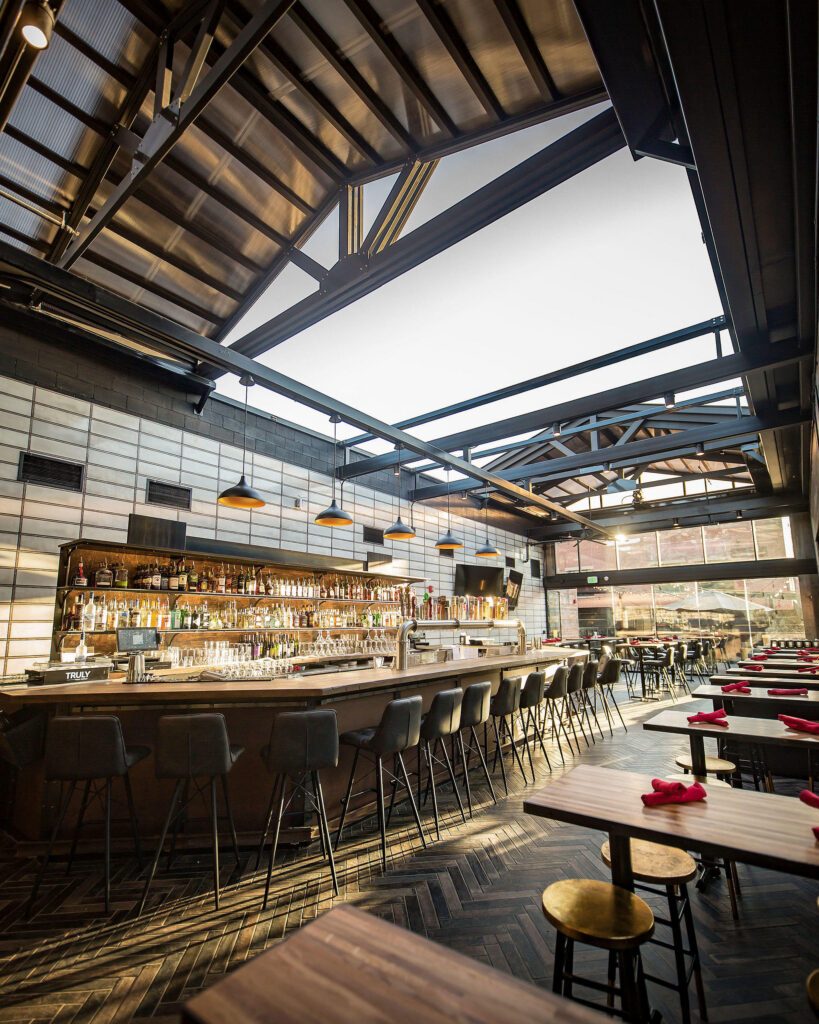
That promise in the headline—retractable comfort for private clubs—only matters if it saves real Saturdays. At 5:30, the patio hums, sunlight on linens, kids laughing by the pool. At 5:42, a quick squall drives sideways rain, temps dip, and you’re moving 30 patio covers while the ceremony setup drips and the kitchen reroutes orders. We’ve all felt that flip. When the weather pivots in minutes, does your brand deliver the same experience anyway?
Or flip the script: blue skies, then a heat spike and gusts. Families want shade at aquatics, your food and beverage (F&B) team juggles melting desserts, and the speaker program fights glare in the pavilion. Staffing, seating charts, and smiles all strain at once. And with hotter summers and sharper storms—plus neighboring clubs adding glass pavilions—the stakes rise. Can you guarantee the same comfort and service, every day, without crossing your brand’s line?
That guarantee is exactly what’s at stake now. Weather is wilder—heat spikes, sideways rain, surprise gusts—and members still expect fresh air, daylight, and seamless service. At the same time, the amenities arms race is real: peer clubs are unveiling glass pavilions and rooftop lounges that feel open in May and cozy in January. When umbrellas become unsafe around 20–25 mph winds or the heat index pushes 95°F, your brand needs reliability. Year‑round indoor‑outdoor comfort drives waitlists, upgrades, and retention. It’s a revenue decision, not décor.
Members live indoor‑outdoor at home and expect the same at the club. Hybrid work shifted demand into weekdays: laptops on terraces at 10 a.m., pickleball clinics at noon, tastings at 4. Without controllable shelter, those programs ride the forecast instead of the calendar. We see covers swing 20–40 seats the moment a cloudburst hits, or an instructor cancel for glare and wind. Retractable systems make programming predictable—open wide on blue‑sky mornings, seal and condition by afternoon. That consistency simplifies staffing, inventory, and guest communication.
Where do these shifts hit hardest? In the spaces that anchor your calendar and bar revenue. Stabilize these zones and your whole operation steadies—day to night, January to July.
Unpredictable weather scrambles your plan in minutes. A drizzle at 6:10 sends runners moving glasses, POS (point‑of‑sale) stations, and heaters while the kitchen replots pacing and heat lamps fight cooling plates. The patio goes half‑empty; the dining room gets slammed; ticket times stretch. Aquatics swings too: a sudden downpour dilutes sanitizer, shifts pH, and forces shock dosing and lifeguard breaks. Events feel it most—ceremony chairs wiped twice, AV (audio‑visual) hastily re-aimed for glare, dance floor relocated. Each reset steals 15–30 minutes and frays the guest experience right when it should peak.
Members read chaos fast. A 6:42 email blast about “weather call” lands like a downgrade, and the couple who booked the terrace now wonders why they pay dues. Staffing takes the hit too: floors under- or over-scheduled, bartenders shuttled, food waste on specials that don’t travel. Picture Wednesday trivia: thunder at 6:12, 38 guests on the patio, two bussers, one manager. You fold umbrellas, roll heaters, reseat families, reprint checks, and lose a round of orders. By the time the mic is live again, the room’s energy has dipped.
Add up those moments and the pattern is clear. Here are the silent drains we see week after week—on revenue, morale, and member satisfaction.
Tents look temporary because they are—fabric tops, ballast, and pegs that cap wind ratings and trigger insurance and fire code headaches. They photograph poorly and feel like a downgrade for weddings. Fixed skylights bring daylight but not control; without purge ventilation (fast, full-area air exchange) or operable sections, heat and glare build and airflow stalls. Seasonal enclosures add labor, storage, and awkward thresholds that compromise accessibility and service. Members notice the difference immediately: it reads “stopgap,” not signature. None of these options gives you open‑air on good days and sealed comfort on bad.
Over a five‑year horizon, the math gets worse. Tents and seasonal kits wear out quickly, demand off‑season storage, and require teams to install and strike—hours you could spend serving members. Fixed glass solves rain but forces higher HVAC (heating, ventilation, and air conditioning) loads and shades-on, shades-off gymnastics that frustrate guests. None integrate neatly with controls, sensors, or perimeter openings, so changeovers stay slow. Hidden costs add up: patchy aesthetics, extra insurance riders, tripping hazards, noise, and complaints. Purpose‑built retractables collapse these tradeoffs by design: openness, protection, and speed in one system.
You’ve probably tried one of these workarounds. Each has a single failure mode that kills experience and revenue when you need them most.
Seasonal walls meant storage burdens and awkward thresholds—so what’s the opposite? A purpose-built retractable roof that disappears on blue-sky days and seals like a building when weather turns. Segmented glass panels glide on quiet, motorized drives with one-touch presets. Wind, rain, and snow sensors (small devices that read conditions and trigger movement) automate the switch in seconds. Open for sun and air; close for gusts and downpours. We engineer year-round comfort, code compliance (loads, drainage, life safety), and elegance: clean lines, clear views, no visual clutter.
Reliability is baked in: commercial-grade motors rated for 20,000+ cycles, aluminum frames, and gaskets (flexible seals) that block wind-driven rain. Routine care is simple—quarterly wipe-downs, an annual inspection, and a 60–90-minute service visit. Our controls tie into your BMS (building management system) or run stand-alone; presets can sync heaters, fans, and lighting. Safety is standard: obstruction detection, emergency stop buttons, manual override, and staff lockouts. When a storm pops, the roof auto-closes and alerts your team.
Choose the family that fits your space. CabrioLux delivers premium, all-glass aesthetics and longer spans; CabrioFlex offers versatile, budget-smart coverage with the same weatherproof performance. We customize every build for your footprint, required wind/snow loads, and desired transparency (clear, tinted, or low-E glass—low-emissivity, heat-reflecting). See options in our retractable roof systems overview, then we’ll sketch concepts on your plan.
The result: longer member dwell time, predictable all-weather programming, lower energy use via natural ventilation and daylight, sealed efficiency when conditioned, and a signature glass pavilion that elevates your brand and drives waitlists.
To make your signature glass pavilion feel effortless, open the edges. What changes on day one? When folding or sliding walls disappear, you add 10–30 seats, noise spreads across terrace and lounge, and members instantly spot the bar and host. We design low‑profile sills with flush flooring and ADA (Americans with Disabilities Act) compliant transitions, plus recessed linear drains and weeps to move rain away. Result: smooth circulation for strollers and trays, no puddles at thresholds, and clear sightlines that invite guests to explore.
Structure and controls matter, too. We coordinate headers, lateral bracing, and panel spans with the roof, then spec thermal breaks (insulated components that reduce heat transfer) and compression gaskets for shoulder‑season comfort. One-touch presets sync roof and walls: calm mornings open east panels first; gusty evenings stage closures by zone. Staff modes handle winter crack‑open ventilation, summer purge, and event blackout. Operators get fast changeovers, secure multi‑point locking, and a tight acoustic and weather seal when it’s time for quiet, conditioned service.
Want to see the options at a glance? Explore our opening walls, then we’ll pair the right system to each edge. Next, a quick before‑and‑after shows the impact in the real world.
Here’s that quick before‑and‑after we promised. A Midwest club’s 60‑seat terrace lost roughly a third of nights to rain, heat spikes, and wind; event clients hedged with backup rooms. We designed a CabrioLux retractable glass roof plus two opening wall edges, with low‑profile sills, heaters, and fan presets. After commissioning, weather resets dropped to near zero, seats stayed sellable, and changeovers took under two minutes. Figures are illustrative, based on patterns we see across clubs in the United States.
Winter told the story. Terrace utilization moved from about 10–15% of summer volume to 45–60% with sealed comfort and clear views (illustrative ranges). Weddings stopped playing forecast roulette: rain calls shifted from day‑of scrambles to calm, preset closings, and ceremonies stayed onsite. Event rebooks climbed while cancellations fell into the single digits. The team scheduled confidently, stocked correctly, and ran a 12‑month calendar instead of a six‑month one.
Members noticed first. Comment cards mentioned “open‑air when it’s gorgeous, cozy when it’s not,” and average dwell time stretched into another round. Waitlists lengthened modestly, and renewal conversations got easier because the promise matched the experience. These outcomes are illustrative, but the pattern repeats. Want the board‑ready math? Next, we map the revenue levers, costs, and payback scenarios so you can see how this pencils for your club.
You asked for the board‑ready math. Here’s an illustrative model, not a guarantee. Results vary by climate zone, market pricing, membership demand, and design choices. We reference F&B (food and beverage) and HVAC (heating, ventilation, and air conditioning) impacts because they move the needle fastest. Use this to align the board, then we’ll tailor assumptions in a calculator and, next, map space‑specific playbooks.
| Metric | Status Quo (Open Air/Fixed) | With Retractable Roof | Financial Impact (Yr 1) | Member Experience Impact | Notes |
|---|---|---|---|---|---|
| Usable outdoor days per year | 100–150 days; shoulder seasons underutilized | 250–320 days; rapid open/close changeovers | Adds 2–4 sellable shifts weekly | Members linger; premium spaces stay active | Illustrative; climate and programming drive actuals |
| Event cancellations/reschedules | Rain/wind triggers last‑minute moves | Proceed as planned; indoor‑outdoor backup | Protects deposits; fewer credits/discounts | Confidence rises; planners rebook | Assumes steady inquiry volume and pricing |
| Pool HVAC and chemicals | Evaporation peaks; energy spikes; chemical drift | Purge venting/daylight smooth loads | Operating expenses drop 5–15% (illustrative) | Better air quality; less humidity sting | Varies by enclosure size and usage |
| F&B revenue per seat | Spiky; perfect‑day dependent | Stable; higher utilization across weeks | Adds 10–25% weekly covers | Ambience holds; dwell time increases | Menu mix and pricing influence lift |
| Membership retention and attraction | Forecast whiplash erodes trust | Consistent, premium, all‑weather experience | Protects dues; supports initiation targets | Pride of place; more referrals | Culture, programming, communications matter |
Culture, programming, and communications matter—but on the roof, weather can upstage everything unless you engineer control. Elevation amplifies conditions: crosswinds jump to 20–30 mph, showers blow sideways, and temps fall 12–20°F after sunset. A retractable glass roof preserves the skyline while dialing comfort: open wide on calm afternoons, then seal tight as gusts and rain roll in. Low‑E glazing (heat‑reflecting glass), integrated shades, radiant heaters, and quiet fans keep the scene gorgeous and the service predictable.
For deeper design guidance on spans, wind loads, and controls, see our retractable roofs for rooftops resource and we’ll sketch concepts for your space.
As you plan a rooftop lounge, prioritize these three details that stabilize comfort, neighbors, and operations.
With acoustics and neighborhood considerations covered upstairs, let’s lock daily dining consistency on the terrace. We balance daylight with low‑E (low‑emissivity, heat‑reflecting) glass and integrated shades, and manage airflow with quiet fans and a purge mode (fast air exchange). When a squall hits, presets close the roof, seal walls, trigger heaters—no table clearing, no vibe drop. Service continues, pacing holds, and guests feel seamless.
For layout, span, and controls specific to patios, see our retractable roofs for restaurants guide. We’ll apply the same playbook to events and courts next.
Here are the food and beverage (F&B) operational wins your team can bank on:
Those consistent server routes and stations matter even more when you flip a room from ceremony to reception or courtside to gala. With a retractable roof and opening walls, you can book dates with certainty, seat 200–300 comfortably, and keep sightlines, shade, and heat dialed in. Presets move from practice to tournament to banquet in 15–20 minutes; glare control and dimming keep AV (audio‑visual) crisp. Spectators stay comfortable, vendors plug in cleanly, and your schedule sticks.
Want the deeper technical playbook? Explore our retractable roofs for event space guide for rigging loads, blackout strategies, and acoustic targets—then we’ll map your layout and turnover timings.
Here are the programming unlocks this enables—simple, reliable, and ready to sell.
Those premium sponsor hospitality options only land if the build runs smoothly. We map clear phases: design 3–6 weeks, permitting 6–12, fabrication 8–14, installation 1–3. Your GM (general manager), facilities lead, architect, and GC (general contractor) work with our project manager to lock dates, roles, and communications. We phase around tournaments and galas, prefabricate off‑site, and minimize downtime.
To get ahead on specs, browse our roof systems catalog, note spans, glazing, and controls, and bring questions to concept design.
Here’s the step‑by‑step we use from first sketch to grand opening—clear owners, firm dates, and no surprises.
Step 1: Discovery & Programming: Align goals, target spaces, member use, climate data, wind/snow loads, utilities, and budget guardrails.
Step 2: Concept & Budget: Draft spans, anchorage, opening walls, glazing options, controls; produce ROM (rough‑order‑of‑magnitude) pricing and phasing alternatives.
Step 3: Engineering & Permitting: Structural calcs, stamped drawings, submittals; coordinate egress, fire/life safety, and MEP (mechanical, electrical, plumbing) notes.
Step 4: Fabrication: Custom extrusions, glazing, finishes; QA (quality assurance), pre‑wire controls, factory test motors and sensors.
Step 5: Installation: Sequence cranes and trades, protect interiors, enforce safety, and communicate to members with schedules, signage, and dust‑control plans.
Step 6: Commissioning & Training: Program presets, integrate BMS (building management system), train staff, deliver maintenance plan; next, choose opening wall types.
With commissioning wrapped and opening wall types on deck, start with folding when you want full, fast clearance. Folding panels remove the entire edge between columns, so your team can open a 16–24 foot bay in under a minute and reset mid‑service. Integral thresholds (flush, low‑profile sills) keep trays, strollers, and wheelchairs gliding. Plan for panel parking and swing path—usually 2–3 feet—and consider top‑hung hardware (track at the header) to avoid floor rails.
See hardware, seals, and finishes in our folding wall system for benefits and inspiration. Prefer larger panes with minimal intrusion? We’ll compare sliding next.
Use these quick cues to confirm folding walls are the right call.
When your architectural rhythm favors uninterrupted glass over panel articulation, sliding walls shine. Slim sightlines (narrow mullions) keep views clean, and large panels glide smoothly over 30–40‑foot runs. Parking is flexible—stack in pockets, at returns, or split for service lanes. Choose top‑hung tracks to keep floors clear, or low‑profile, flush sills for wheelchair accessibility and easy tray service. The result is big‑pane elegance with minimal intrusion.
Want specs, performance data, and parking diagrams? Explore our sliding wall systems, then keep reading for a quick comparison that helps you match walls to each edge.
Here’s when sliding beats folding in daily club operations:
So if phased opening is often needed, which wall family gives you that control? Bi-fold walls (panels hinged together that stack to the side) clear bays fast; multi-slide systems (large panes that glide and stack or pocket into a wall cavity) cover long, sleek runs; pivot doors (single oversized leaves for frequent access) create service lanes. All sync with roof presets and sensors for morning purge (fast air exchange), afternoon shade, and storm‑close. Explore our opening walls to see layouts and options.
Want clean views and easy movement? Slim mullions (vertical frame members) keep sightlines crisp, while low‑profile, flush thresholds and ADA (Americans with Disabilities Act) compliant transitions protect strollers, trays, and wheelchairs. Finishes are tuned to your palette—anodized (electrochemically sealed aluminum) or durable powder‑coat (baked‑on color)—so the system looks built‑in. A unified control layer ties walls, roof, heaters, fans, and lighting into one touchscreen with staff overrides. Bring the tough questions—we’ll cover structure, water management, and automation details in the FAQs next.
Yes. Our drives run around 50–55 dB (decibels, similar to a conversation), with soft‑start/soft‑stop so there’s no jolt. In practice, we cue movement during applause, band breaks, or a toast reset—30–90 seconds for typical bays. Staff use presets; wind and rain sensors trigger automation when needed. Safety is built‑in: pressure‑sensitive edges (they stop on contact), obstruction detection, beacons when appropriate, and manual overrides. Guests will notice the room staying comfortable, not the mechanism moving.
Yes—we engineer to your site’s design loads (the structural forces required by your jurisdiction) and provide stamped calculations and drawings from licensed engineers. Systems integrate weather seals, gutters, and downspouts to manage wind‑driven rain. We align with local code officials early and design to your region’s climate, from heavy snow belts to coastal wind exposure. Many assemblies are third‑party tested to ASTM (a global standards organization) protocols such as E330 (structural load), E283 (air infiltration), and E331 (water penetration). You’ll have submittals your board and AHJ (authority having jurisdiction) expect.
We design for natatoriums (indoor pool rooms with chloramines in the air). Frames are marine‑grade aluminum with protective coatings, stainless fasteners (corrosion‑resistant steel), and sealed hardware to resist humidity. On temperate days, a partial open creates natural purge ventilation (quick full‑area air refresh). For year‑round control, we coordinate with your dehumidifier or DOAS (dedicated outdoor air system) so supply and returns aren’t fighting the roof. Result: better air quality, reduced condensation at glazing, and materials that last in harsh pool chemistry.
Most clubs stay open throughout. We phase work by zone, set hard safety perimeters, and schedule loud tasks and cranes on weekends or early mornings. Typical on‑site install runs 1–3 weeks per area, with off‑site fabrication done beforehand. We protect interiors, control dust, and keep clear member paths with signage and updates. Expect occasional short closures during craning for safety. The goal: your calendar holds, staff know the plan, and members feel informed—not inconvenienced.
You’ll see these systems across hospitality—clubs, boutique hotels, rooftop bars, university centers—and municipal aquatics. The appeal is the same: open‑air on blue‑sky days, sealed comfort when weather turns. We also design for premium homes, which proves daily reliability and quiet operation for families. Explore how our retractable roofs for residential spaces perform in year‑round use; the engineering principles and controls are the same ones your club will rely on.
Since those engineering principles and controls will live in your drawings, let’s get you the buildable details. Your team will review thermal breaks (insulated separators that cut heat transfer), water management at head/jamb/sill, ADA (Americans with Disabilities Act) compliant low‑profile thresholds, and hardware cycle life (typically 20,000+ open/close). Download head/jamb/sill details, CAD (computer‑aided design)/Revit files, and editable specs on our folding wall system page.
Integration comes next. Controls tie into your BMS (building management system) or run stand‑alone presets; finishes include anodized or powder‑coat to match palettes; sightlines stay clean with 2–3 inch mullions. Submittals include shop drawings, hardware schedules, performance data (air, water, structural), anchorage and movement allowances, and cleaning/maintenance plans. We coordinate gasketing, drainage paths, and electrical rough‑ins so the wall, roof, heaters, fans, and lighting operate as one system—no surprises at install.
That’s our promise: year‑round programming, rock‑solid events, and member experiences that feel premium in any forecast. We design, engineer, and install retractable roofs and opening walls for clubs across the U.S. Ready to see your options? In one quick session, we translate goals into layouts, timelines, and budget ranges you can take to the board.
Get Expert Help
Let's discuss your project goals
Weather is the silent business partner you didn’t agree to — and it still gets a vote on your capacity, staffing, and bookings.
Weather is the silent business partner you didn’t agree to — and it still gets a vote on your capacity, staffing, and bookings.
Cabrio {cab•rio: convertible, opening} Structures Inc. is a nationally recognized designer and manufacturer of patented independently moving roof and wall patio systems. Our structures are located across the country from Boston, Mass. to Seattle, Washington. Bring on the weather.