8 min read
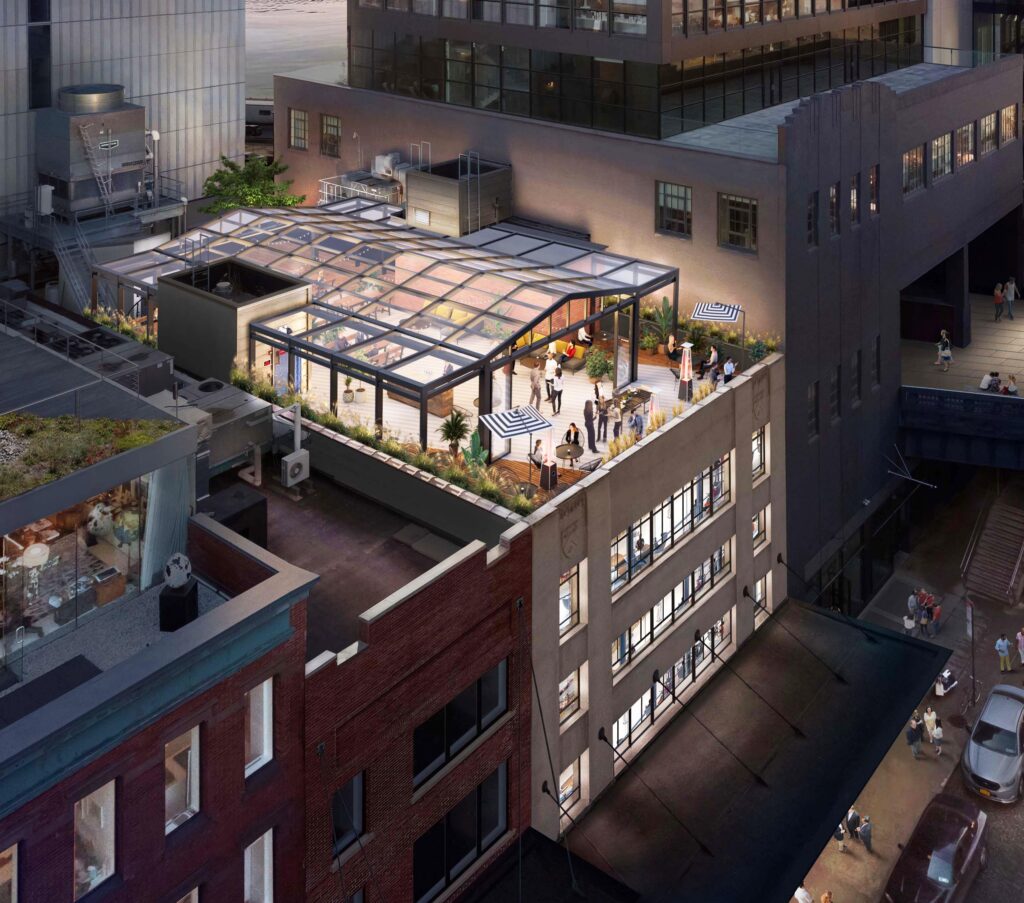
Picture this: lunchtime breeze, glasses clinking, then the sky turns and with one tap the roof glides closed—your patio shifts from open-air to stormproof in under 30 seconds. That save isn’t just motors; it’s materials doing quiet work. Architectural aluminum keeps spans long without bulk, shrugs off corrosion, and holds tight tolerances season after season. It feels effortless.
But the perfect roof has a contradiction: it must disappear when open and defend like a fortress when closed. That’s where most projects stumble—materials are an afterthought, and the first sideways rain or August heat exposes it. We’ve replaced swelled wood, rusting steel, and chalked vinyl after a single coastal season; meanwhile, 6061‑T6 aluminum (a high‑strength architectural alloy) stays true, drains clean, and resists salt air. That’s the difference you notice on day 1 and trust in year 10.
So how can one material be light enough to span, strong enough to seal, and tough enough for salt, snow, and sun—while still looking refined, year after year?
You asked how one material can be light, strong, and tough—start by seeing how materials drive everything downstream. Structural weight dictates motor size, hardware, and concrete footings. Corrosion resistance sets your maintenance calendar, not the paint color. Thermal breaks (insulating barriers inside frames) and glazing stacks decide comfort, condensation, and energy. Permitting follows physics: snow and wind loads, roof slope, and drainage. Indoor air chemistry matters, too—chloramines (pool air compounds) and salt air punish the wrong alloys and seals.
Real examples help. On a coastal deck, lightweight frames keep motor torque manageable and reduce footing size; proper anodize or powder coat means no annual rust grind. In a natatorium (indoor pool), sealed gaskets and compatible alloys resist chloramines and humidity. In snow country, longer spans with less mass reduce deflection and ease drainage. In hot cities, Low‑E glass (thin coatings that reflect heat) with thermally broken frames cuts HVAC (heating, ventilation, and air conditioning) runtime and glare.
When teams default to overbuilt steel or one-size glazing, you see rust at welds, binding panels, winter condensation, and spiky energy bills within a season. The pattern’s predictable—and preventable—if you spot the pitfalls before you spec.
We get the calls after first winter or first coastal summer. Steel welds bloom rust that creeps under paint, so you’re sanding and repainting in year one. Extra weight makes hinges, rollers, and motors work harder; panels start to bind on windy days. Frames without thermal breaks (no insulating separator) sweat, drip, and draft, upsetting guests. And generic glazing crazes or discolors under UV and chemicals, turning clear views milky and raising surface temperatures.
Pool enclosures see chloramine attack (byproducts of chlorine reacting with sweat) that etches coatings and pits unprotected fasteners. Near oceans, salt mist accelerates galvanic corrosion (metals eating each other when mismatched), so screws seize and gaskets tear. Heavier assemblies flatten rollers and stretch belts, shortening service intervals. Cheap polycarbonate yellows; thin glass without the right interlayers amplifies noise. Each fix steals weekends and attention, and every patch adds friction to what should feel effortless.
Operationally, weight and corrosion tax everything: higher motor torque, larger beams, and bigger footings raise install costs 10–20%. Poor thermal performance drives HVAC (heating, ventilation, and air conditioning) runtime up on hot and cold days. Repaint cycles and seal swaps mean closures—often 1–3 days per visit—right when you need seats or event dates.
Code doesn’t grade on intentions. Heavier frames increase snow/wind load reactions, pushing you into steeper slopes, more anchors, or different exposure categories during permitting. In aquatic or coastal air, documented corrosion risk can shorten rated service life, triggering stricter inspection plans and earlier replacement—issues reviewers flag long before you pour footings.
If you want a fast scan, here are the patterns we catch early in plan review—five pitfalls that inflate costs and headaches.
Specs written for small patios and slow actuation don’t fit today’s brief: 30–60 foot spans, open-to-closed in under a minute, four-season comfort, and gallery-level aesthetics. When you start heavy, corrosion and friction snowball. And the real bill shows up as downtime—closed sections, fewer covers, cancelled events.
Owners now expect quiet motion, slim sightlines, and controls that react to wind and rain automatically. Waterfront restaurants can lose five prime weekends a year to avoidable maintenance. Rooftop pools need chemistry-resistant hardware and thermally broken frames to keep fog off glass. Old, steel-first specs weren’t written for this pace or precision.
Which points to the modern stack: a light, strong, thermally efficient, corrosion-resistant aluminum frame paired with climate-tuned glazing. Next, we’ll show why 6061‑T6 aluminum is the backbone that makes the rest work.
You just saw why the modern stack starts light and resilient; 6061‑T6 aluminum (a heat‑treated architectural alloy) is the backbone. If you’re tired of repaint cycles and binding panels, this is the fix. By volume it’s about one‑third the weight of steel, so we span farther with slimmer profiles and use smaller drive systems. It doesn’t rust, and it takes baked‑on finishes—powder coat or anodize—that seal edges. Add thermal breaks (insulating strips) to curb condensation and keep interior surfaces warmer.
Precision extrusions (tight‑tolerance profiles) let us design gaskets and weeps that actually drain, not just hope. Movement is managed: engineered joints and long‑life seals absorb thermal expansion, so panels don’t bind during heat waves. In practice, a 28‑foot bay meets deflection limits with lighter framing and lower motor torque. Hardware harmony matters, too—matched fasteners and isolators minimize galvanic corrosion (dissimilar metals reacting). And aluminum’s recyclability and long service life cut replacements and downtime. That’s operational calm.
Baked‑on powder coats and architectural anodize keep color stable and edges sealed far longer than field paint on steel. In chloramine-heavy pools and coastal salt air, the right finish system plus compatible hardware delivers multi‑season reliability with simple washdowns instead of annual sand‑and‑repaint.
Prefer the snapshot? Scan these headline benefits, then dive into the comparison below.
Side by side, here’s how common frame materials stack up—then we’ll pair aluminum with the right glazing to unlock even more performance.
| Material | Strength-to-Weight | Corrosion Resistance | Thermal Performance | Maintenance | Typical Use |
|---|---|---|---|---|---|
| 6061‑T6 Aluminum | Excellent strength-to-weight | Excellent (no rust) | Strong with thermal breaks | Low | Retractable roofs, long spans |
| Steel | High strength, heavy | Prone without coatings | Moderate with breaks | Medium–High (repaint) | Fixed/industrial structures |
| Wood/Composites | Moderate | Variable | Moderate | Medium | Small spans, decorative |
We just set aluminum as the backbone—and ruled out wood for long spans—so glazing now drives comfort, clarity, and cost. Glass delivers top clarity and tight U‑values (insulation performance), especially with low‑E (low emissivity, heat‑reflecting) coatings and IGU (insulated glass unit) builds. Polycarbonate brings low weight and standout impact resistance at a friendlier price. ETFE (ethylene tetrafluoroethylene) is ultra‑light with very high light transmission. Your climate, budget, and maintenance plan decide the winner.
Cold winters? Use laminated, low‑E IGUs to cut condensation and keep interiors comfortable. Hail or high‑impact zones? Polycarbonate shrugs off hits and curves easily for custom forms. Need huge panels over sensitive structures? ETFE cushions weight by 90%+ versus glass and stays bright. Maintenance differs too: glass favors periodic washing; polycarbonate prefers mild, non‑abrasive cleaners; ETFE self‑cleans in rain but needs fan systems when multi‑layered. Tell us your priorities, we’ll tune the stack.
Use this quick comparison to pick a starting point at a glance.
| Glazing | Weight | Light Transmission | Insulation | Impact Resistance | Best For |
|---|---|---|---|---|---|
| Glass (low‑E options) | Heavy | High (with coatings) | Strong (IGU) | Moderate | Premium clarity; tempered/laminated needs |
| Polycarbonate | Light | Moderate–High | Good | Very high | High‑impact zones, curves, budget |
| ETFE (single/double/triple) | Ultra‑light | Very high (up to ~95%) | Variable (by layers) | High | Large spans, weight‑sensitive roofs |
Single‑Stack keeps motion simple: one bank moves together for clean lines, fewer parts, and fast close times. It shines on small to mid spans where openings are typically all‑open or all‑closed. Multi‑Stack divides the roof into zones, unlocking larger openings, wind management, and partial‑open modes. Because our aluminum assemblies weigh less, both configurations run smoother with smaller motors and gentler wear on rollers, belts, and seals.
Choose Single‑Stack when you want minimal visual breaks and quick service—think 20–40‑foot bays over patios. Choose Multi‑Stack when you need phased control across 40–100+ feet, or when wind exposure and load paths vary. Owners like the flexibility: close only the west bay at sunset glare, or open the center for an event. Either way, low mass means quieter cycles and lower power draw.
See how a Multi-Stack Retractable Roof handles wide bays and phased openings.
Prefer simplicity? A Single Stack Retractable Roof delivers clean lines and fast closures.
Here’s how the material choices pay off in the real world: lightweight strength spans rooftops without massive steel, corrosion resistance survives salt and chloramines, and thermal comfort keeps seats filled. Use the notes and links below to jump to your market.
Explore our retractable roofs for restaurants to extend patio season and add seats.
See retractable roofs for rooftops that span big views without heavy steel.
Browse retractable roofs for residential spaces to connect kitchens, patios, and pools.
Connecting kitchens, patios, and pools works only when roof and walls act as one. You shouldn’t have to babysit it. We align roof modules directly over wall panel mullions, so joints, seals, and weep paths line up. Daylight feels even, cross‑breezes flow, and traffic moves naturally. Example: a 30‑foot opening with two 15‑foot roof bays over a five‑panel wall halves leak points and closes in 25 seconds.
Same alloy, same finish, same care routine: aluminum keeps the envelope consistent and maintenance simple. One powder coat, compatible fasteners, and matched gaskets mean fewer touch‑ups and no galvanic surprises. We coordinate deflection limits (L/240, span divided by 240) and thermal movement joints so panels glide in heat or cold. On a coastal 42‑foot span, service dropped to one rinse and one inspection per season.
Next, choose between folding and sliding opening walls that pair seamlessly with our roofs.
You just saw the choice between folding and sliding; pick folding when you want a full, unobstructed opening and fast changeovers. Think 20–60‑foot apertures on restaurant patios or event rooms that flip from lunch to private dining in minutes. Top‑hung bi‑folds keep thresholds flush; stacked panels park neatly. Our aluminum frames with hardened hinges are built for high-cycle use—quiet, tight, and reliable through 50,000+ opens with strong air/water performance.
Dive into our folding wall system for sizes, ratings, and finishes—then head to sliding walls if view-first, pocketed storage is your priority.
If view-first and pocketed storage are your priorities, sliding panels deliver. They excel where swing/stack space is tight, and their slim stiles keep sightlines clean. Need phased openings? Stack two or three panels per bay and open only what you need. With our aluminum frames riding on sealed stainless rollers in low-profile, drained tracks, motion stays smooth and quiet—even on 24–36‑foot runs in windy waterfront locations.
See sizes, ratings, and details in our sliding wall systems guide.
After checking sizes, ratings, and details for sliding walls, you probably want everything side by side. Open the catalog to compare folding vs sliding by typical spans (20–60 feet), stacking behavior, sill options, finishes, and air/water ratings—all on one page. Every option matches our aluminum roof finishes. Next, we’ll map your pick into roof system planning.
Browse the full opening walls overview for product families, specs, finishes, and integration tips.
With your opening walls sorted, how should the roof be planned? Choose CabrioLux for long, clean spans and maximum daylight; CabrioFlex for zoned, phased openings; fixed glass when year‑round enclosure is the goal. We align spans, slopes, drainage, and controls with your structure, often using aluminum’s low mass to reduce steel add‑ons and retrofit work. On 20–60‑foot bays, lighter frames mean smaller motors, fewer penetrations, and faster installs. Next, we’ll map budgets and lifecycle costs.
Compare spans, slopes, finishes, and integration details across our roof systems, then shortlist the right model for your site.
You’ve shortlisted a roof; sanity‑check the 15‑year picture. This snapshot compares upfront, maintenance, downtime risk, and total cost—budget for seasons, not surprises. A lost weekend can cost $10K.
| Material | Upfront Cost | Maintenance | Downtime Risk | 15-Year TCO |
|---|---|---|---|---|
| 6061‑T6 Aluminum | Medium | Low | Low | Low–Medium |
| Steel (painted) | Medium | Medium–High | Medium–High | Medium–High |
| Wood/Composites | Medium | Medium | Medium | Medium |
Plan care upfront and you’ll lock in economics. Use this four‑point checklist to keep motion smooth, protect warranties, and avoid lost‑weekend closures.
You just saw the care cadence—after storms, verify alignment, fasteners, and drainage. Now lock in a system that needs less fuss: lighter aluminum structure, smoother motion, lower upkeep. Book a 20‑minute design consult; we’ll review spans, loads, glazing choices, and roof‑to‑wall integration so everything seals, drains, and moves together.
Prefer tangible next steps? Send a plan or rough dimensions and site photos. In 3–5 business days, we’ll return a marked‑up sketch, a recommended glazing stack, and a budget range. We’ll flag structural supports, power/data, and sensor placement so you avoid rework and glide through permitting.
Prefer to browse first? Explore our retractable roof systems with specs and photos.
Get Expert Help
Discuss your pool roof strategy
Weather is the silent business partner you didn’t agree to — and it still gets a vote on your capacity, staffing, and bookings.
Weather is the silent business partner you didn’t agree to — and it still gets a vote on your capacity, staffing, and bookings.
Cabrio {cab•rio: convertible, opening} Structures Inc. is a nationally recognized designer and manufacturer of patented independently moving roof and wall patio systems. Our structures are located across the country from Boston, Mass. to Seattle, Washington. Bring on the weather.